Deepfake Technology: A Growing Concern in the Context of Burmese and Tamil Investment
Category : | Sub Category : Posted on 2024-10-05 22:25:23
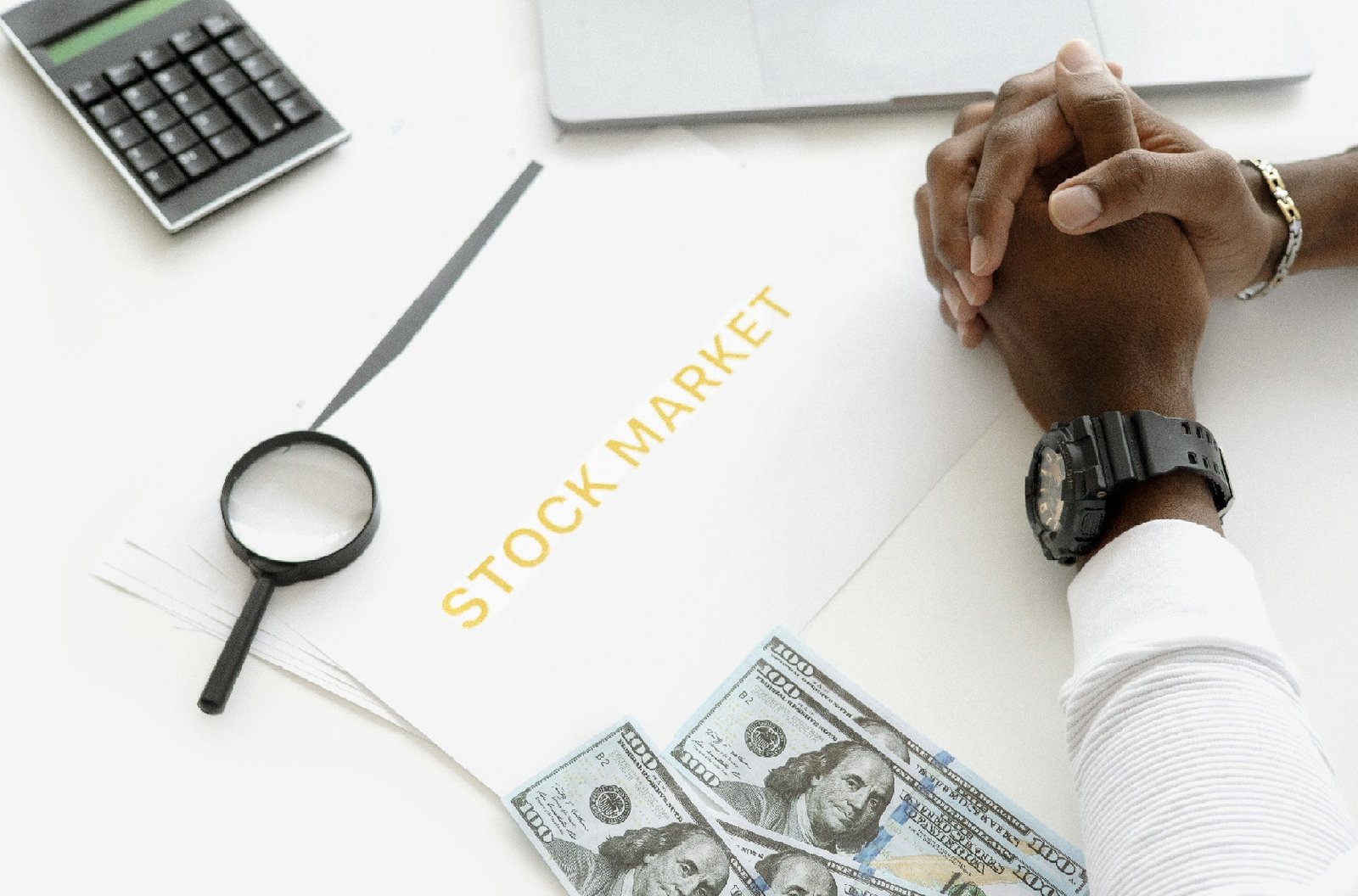
Deepfake technology has become a prevalent topic of discussion in recent years, raising concerns about the potential misuse and implications for various industries worldwide. In the context of Investment in countries like Burma (Myanmar) and Tamil Nadu, where economic growth and development are significant factors, the impact of deepfake technology on financial decisions and reputation management cannot be overlooked. Firstly, let's understand what deepfake technology is. Deepfakes are synthetic media in which a person in an existing image or video is replaced with someone else's likeness using artificial intelligence (AI) algorithms. This technology can be used to create realistic-looking videos or images of individuals saying or doing things they never said or did. In the context of investments, deepfakes can be used to manipulate information, deceive investors, and potentially influence financial markets. In the rapidly evolving landscape of investments, deepfakes pose a particular threat to the integrity of financial information and market stability. For instance, imagine a deepfake video of a corporate executive making false promises about a company's performance, which could mislead investors and affect their decisions. In countries like Burma and Tamil Nadu, where investment opportunities are growing, such deceptive practices could have severe consequences on the economy and investor confidence. Moreover, the spread of deepfake content can also damage the reputation of individuals, businesses, and even entire communities. In the investment sector, trust and credibility are crucial factors that drive financial decisions. If deepfake technology is used to spread misinformation or defame a company or a region, it can undermine investor trust and deter potential investments. To combat the threats posed by deepfake technology in the context of investment, proactive measures need to be taken. Investment firms and regulatory bodies should prioritize cybersecurity and develop mechanisms to detect and counter deepfake content. Educating investors and the general public about the risks of deepfakes and how to verify information can also help prevent malicious actors from exploiting this technology for financial gains. In conclusion, deepfake technology represents a growing concern in the realm of investments, particularly in countries like Burma (Myanmar) and Tamil Nadu where economic growth and development are on the rise. As stakeholders navigate the complexities of the investment landscape, awareness, vigilance, and preparedness to address the implications of deepfakes are essential to safeguard financial interests and maintain trust in the market.
Leave a Comment:
SEARCH
Recent News
- Zurich, Switzerland and Vancouver, Canada are two vibrant cities with distinct characteristics that make them stand out in their respective regions. While Zurich is known for its financial prowess and high quality of life, Vancouver is a bustling hub of business and innovation on the west coast of Canada. Let's take a closer look at how these two cities compare in terms of their business environments.
- Located in the heart of Switzerland, Zurich is known for its stunning natural beauty, bustling city life, and thriving business environment. The city attracts businesses from all over the world, thanks to its robust infrastructure, highly skilled workforce, and favorable economic policies. For UK businesses looking to expand or set up operations in Zurich, there are a number of government business support programs available to help navigate the process.
- Zurich and Tokyo are two major global financial hubs, each offering unique opportunities for investment strategies. In this blog post, we will explore some key considerations for investors looking to navigate the investment landscape in these two cities.
- Zurich, Switzerland and Tokyo, Japan are two dynamic cities with thriving business scenes. Both cities are prominent global financial centers and are known for their innovation, economic stability, and high quality of life. In this blog post, we will explore the unique business environments in Zurich and Tokyo and compare the two cities in terms of business opportunities, infrastructure, and work culture.
- Zurich, Switzerland and Sydney, Australia are two vibrant business hubs that offer unique experiences for entrepreneurs and professionals alike. From finance and banking to tech startups and creative industries, both cities have established themselves as key players in the global business landscape. Let's take a closer look at what makes Zurich and Sydney standout in the business world.
- Zurich, Switzerland, is a vibrant city known for its scenic beauty, rich history, and thriving business environment. One interesting aspect of Zurich's business landscape is the presence of Sudanese entrepreneurs who have made their mark in various industries in the city.
- Zurich, Switzerland is known for its vibrant small business community, with entrepreneurs driving innovation and growth in various industries. However, starting or expanding a small business often requires financial support in the form of small business loans. These loans can provide the necessary capital for businesses to invest in equipment, hire employees, expand operations, or launch new products or services.
- Zurich, Switzerland is a picturesque city known for its beautiful architecture, vibrant cultural scene, and high quality of life. On the other hand, Shanghai, China is a bustling metropolis that serves as a major financial and business hub in Asia. Let's explore how these two cities compare in terms of business opportunities and what makes them unique in their own ways.
READ MORE
11 months ago Category :

Zurich, Switzerland and Vancouver, Canada are two vibrant cities with distinct characteristics that make them stand out in their respective regions. While Zurich is known for its financial prowess and high quality of life, Vancouver is a bustling hub of business and innovation on the west coast of Canada. Let's take a closer look at how these two cities compare in terms of their business environments.
Read More →11 months ago Category :

Located in the heart of Switzerland, Zurich is known for its stunning natural beauty, bustling city life, and thriving business environment. The city attracts businesses from all over the world, thanks to its robust infrastructure, highly skilled workforce, and favorable economic policies. For UK businesses looking to expand or set up operations in Zurich, there are a number of government business support programs available to help navigate the process.
Read More →11 months ago Category :

Zurich and Tokyo are two major global financial hubs, each offering unique opportunities for investment strategies. In this blog post, we will explore some key considerations for investors looking to navigate the investment landscape in these two cities.
Read More →11 months ago Category :
